
Explore glass block transitions with Glass Block Masonry in Knoxville guidance on preparation, materials, site conditions, construction details.
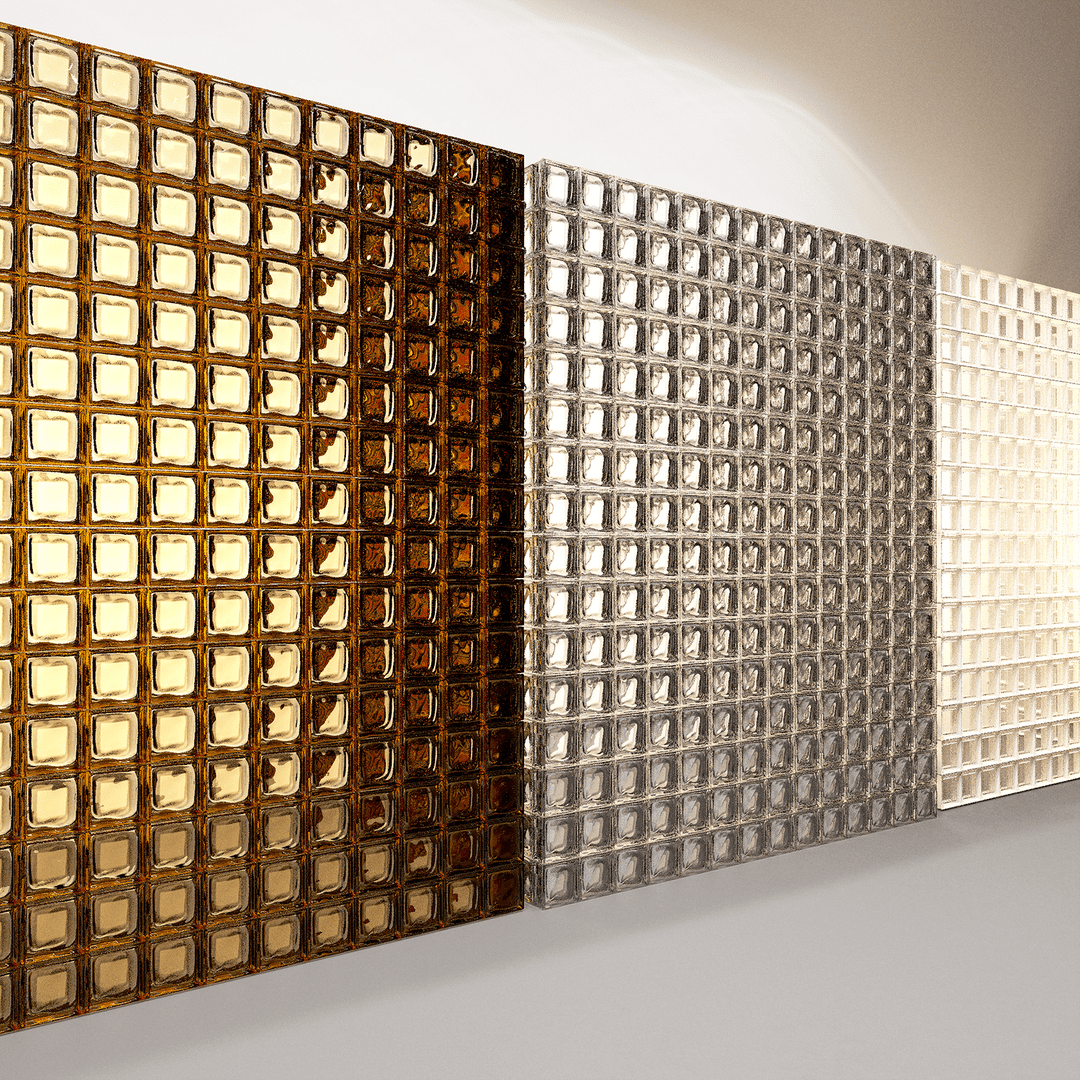
Glass block catches and transmits light, so a rough transition at the edge becomes more visible than it would beside an opaque wall. Glass block transitions need deliberate alignment, joint planning, moisture awareness, and finish edges where unlike materials meet. For owners researching Glass Block Masonry in Knoxville, the useful conversation starts with the property itself. Measurements, access, material, drainage, nearby finishes, and the intended result all influence the plan. B & C Masonry describes a process built around an on-site consultation, material selection, organized construction, and a final walkthrough. That framework gives the crew and owner a defined starting point before active work changes the site or forces decisions under pressure.
Glass block gains much of its impact from clean geometry, which means the edges deserve as much attention as the center of the wall. In practice, Glass Block Masonry in Knoxville should stay tied to measurable site conditions and the agreed finish.
This comparison keeps visible project decisions connected to the way they affect construction and closeout.
| Adjacent Finish | Transition Priority |
| Tile | Joint alignment, edge trim, and wet-area detailing. |
| Painted wall | Finished thickness and a crisp termination line. |
| Stone | Thickness variation and a controlled visual reveal. |
| Cabinet or trim | Straight reference lines and enough clearance for installation. |
These checkpoints keep the planning concrete enough for the field crew and simple enough for the owner to verify during construction.
Tile interfaces are especially sensitive because both systems depend on visible joint lines. In practice, Glass Block Masonry Contractors in Knoxville should stay tied to measurable site conditions and the agreed finish.
During active work, Glass Block Masonry in Knoxville should remain connected to the approved layout and surrounding conditions so field adjustments are deliberate rather than improvised.
A short sequence keeps the final review disciplined rather than leaving closeout to memory.
1. Compare the visible work with the approved layout, material, and transition details.
2. Record remaining punch items before protection and staging are fully removed.
At closeout, Glass Block Masonry Contractors in Knoxville should be compared with the agreed transitions, alignment, cleanup, and visible finish while the project record is still current.
Before mobilization, Glass Block Masonry Contractors in Knoxville deserves another check against access, dimensions, protection, and material decisions so the crew enters the site with fewer unresolved details.
Tile interfaces are especially sensitive because both systems depend on visible joint lines. The layout should consider where grout lines meet glass-block joints, how the edge is trimmed, and how moisture is managed in showers or other wet areas. B & C Masonry describes glass block work for bathrooms, storefronts, showers, spas, and accent walls, including straight walls and wrapped corners.
Translucent walls expose every joint and edge, which makes planning especially important at finish transitions. B & C Masonry builds glass-block walls, corners, shower features, and accents with controlled geometry so tile, trim, stone, or painted surfaces meet the assembly cleanly.
Refined transitions also support the way light moves through the space. Our crew coordinates the masonry edge with surrounding finishes instead of treating it as leftover detail. B & C Masonry brings glass-block skill together with broader masonry experience for interiors and wet-area features.
1. Can glass block meet tile directly?
Yes. The transition needs planned thickness, joint alignment, and an edge detail suited to the location, especially in wet areas.
2. Should tile grout lines align with glass-block joints?
Perfect alignment is not always required, but coordinating the joint rhythm can create a cleaner visual relationship where the two materials meet.
3. Is glass block suitable beside a shower finish?
Glass block can work well in wet areas when the assembly and surrounding transitions are detailed for moisture exposure and clean drainage.
4. How should a glass-block edge be finished?
The edge can be resolved with a suitable trim, sealant joint, return, or reveal, depending on the adjoining finish and wall design.
5. Do curved glass-block walls complicate finish transitions?
They can. Curved layouts change the meeting angle with adjacent materials, so the termination and adjoining finish should be planned before installation begins.
Let's discuss how we can bring your vision to life with expert masonry craftsmanship.
START YOUR PROJECT
 CALL
NOW