Explore wet outdoor stone walkways with Stone Masonry in Knoxville, TN guidance on preparation, materials, site conditions and construction details.
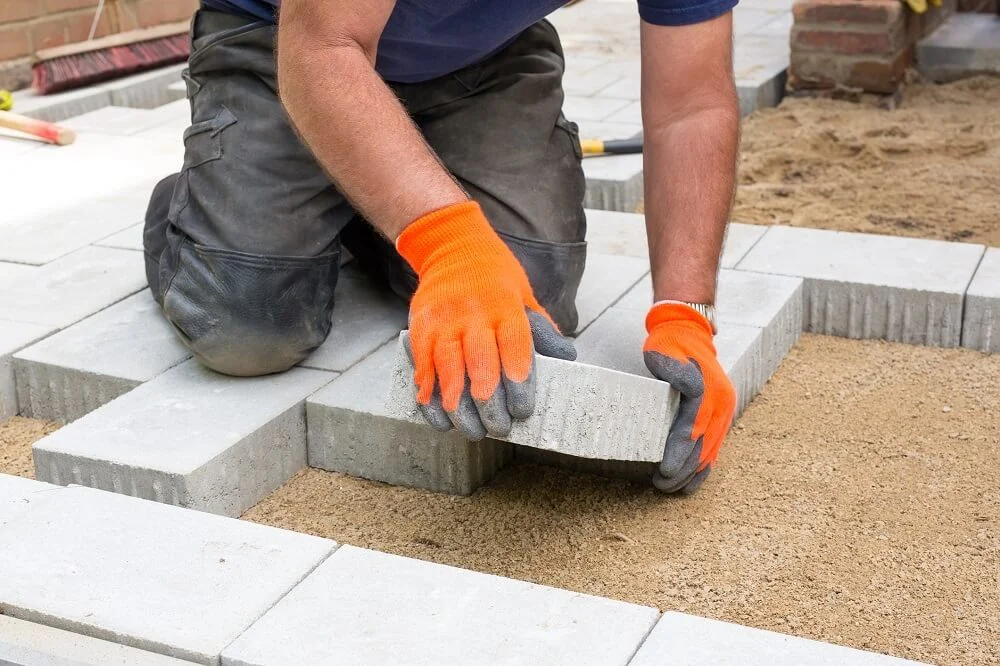
Rain changes the way an outdoor walkway feels underfoot, which makes stone finish and drainage part of the design decision. Wet walkways need stone selection and detailing that consider surface texture, drainage, edge conditions, and stable installation. For owners researching Stone Masonry in Knoxville, TN, the useful conversation starts with the property itself. Measurements, access, material, drainage, nearby finishes, and the intended result all influence the plan. B & C Masonry describes a process built around an on-site consultation, material selection, organized construction, and a final walkthrough. That framework gives the crew and owner a defined starting point before active work changes the site or forces decisions under pressure.
Outdoor stone can look refined while still giving feet a secure, predictable surface in rain. The strongest candidates are not selected by color alone. In practice, Stone Masonry in Knoxville, TN should stay tied to measurable site conditions and the agreed finish.
This comparison keeps visible project decisions connected to the way they affect construction and closeout.
| Stone Surface Factor | Why It Matters Outdoors |
| Texture | Adds tactile grip when the walking surface is damp. |
| Drainage | Reduces standing water and persistent wet spots. |
| Thickness | Supports consistent bedding and stable finished elevations. |
| Edge detail | Keeps the route defined and limits movement at perimeter stones. |
Surface finish deserves close attention. Natural cleft, lightly textured, or otherwise slip-conscious finishes can provide more grip than highly polished faces. In practice, Natural Stone Installation in Knoxville should stay tied to measurable site conditions and the agreed finish.
B & C Masonry works with natural stone applications and notes experience with rough-cut stone, stacked veneer, natural slab, retaining walls, and full exteriors. In practice, Custom Stone Features in Knoxville should stay tied to measurable site conditions and the agreed finish.
Before mobilization, Stone Masonry in Knoxville, TN deserves another check against access, dimensions, protection, and material decisions so the crew enters the site with fewer unresolved details.
During active work, Natural Stone Installation in Knoxville should remain connected to the approved layout and surrounding conditions so field adjustments are deliberate rather than improvised.
At closeout, Natural Stone Installation in Knoxville should be compared with the agreed transitions, alignment, cleanup, and visible finish while the project record is still current.
Before mobilization, Custom Stone Features in Knoxville deserves another check against access, dimensions, protection, and material decisions so the crew enters the site with fewer unresolved details.
During active work, Custom Stone Features in Knoxville should remain connected to the approved layout and surrounding conditions so field adjustments are deliberate rather than improvised.
Surface finish deserves close attention. Natural cleft, lightly textured, or otherwise slip-conscious finishes can provide more grip than highly polished faces. Drainage matters at the same time because standing water can make.
Textured stone performs best when selection and placement answer the actual site. B & C Masonry works with natural stone, rough-cut material, veneer, slab, walls, and exterior features, giving each installation a practical relationship with drainage, grade, and surrounding finishes.
Outdoor comfort depends on the details beneath the appearance. Our crew coordinates stone options, alignment, and placement with the property in mind, then reviews the finished work through closeout. B & C Masonry keeps the material character connected to stable construction and.
1. Is polished stone suitable for a wet walkway?
Highly polished stone can feel slick when wet, so exposed walking areas often benefit from a more textured finish selected with the site conditions in mind.
2. Why does drainage matter on a stone path?
Drainage limits standing water, reduces persistent wet spots, and keeps the walking surface more predictable after rain or routine landscape watering.
3. Do irregular stones need wider joints?
They may. Joint width depends on the stone shape and layout, but gaps should remain deliberate and comfortable for foot traffic rather than varying without control.
4. Can natural stone be matched to an existing exterior?
Yes. Color, size, texture, and layout can be considered together so new stone relates more closely to nearby walls, steps, or architectural materials.
5. What should be reviewed before selecting walkway stone?
Review texture, thickness, drainage, joint style, base conditions, edge restraint, and the visual relationship between the path and surrounding exterior features.
Let's discuss how we can bring your vision to life with expert masonry craftsmanship.
START YOUR PROJECT
 CALL
NOW