
Retaining wall in Knoxville, TN performance depends heavily on drainage. See why water control can matter more than material choice.
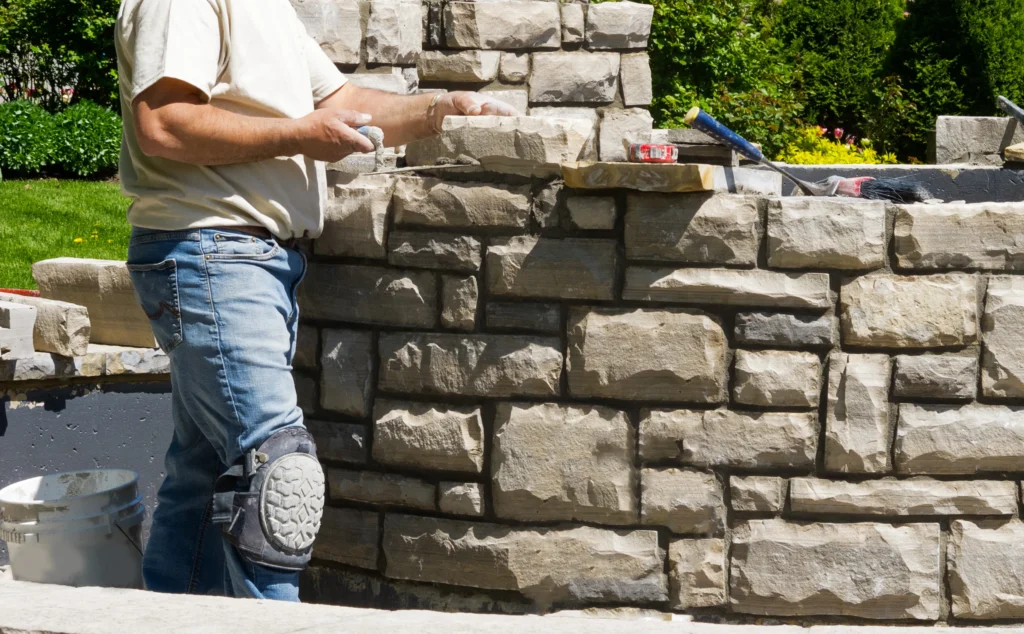
A retaining wall may look like a simple barrier holding back soil, but much of its performance depends on what happens behind the visible face. Water collecting behind the wall adds pressure to a structure already resisting the weight of the ground. At B & C Masonry, we treat drainage as part of the wall system from the beginning rather than as an extra detail added later.
For any retaining wall in Knoxville, TN, material choice matters, but material alone cannot correct poor water management. Our website explains that grade, drainage, base preparation, soil conditions, and wall alignment all influence performance. That is why the drainage path deserves the same attention as the block or stone seen from the front.
Retaining Wall In Knoxville, TN Depends On Drainage
Retaining walls work against pressure from the soil behind them. When water collects in that soil, the load can increase. B & C Masonry’s retaining wall guidance warns that poor drainage can contribute to cracking, bulging, leaning, and other wall problems.
A retaining wall in Knoxville, TN, therefore needs a way to move water rather than leave it trapped behind the structure. Our site describes hidden drainage systems as a way to prevent pressure from building behind the wall.
B & C Masonry works with concrete block and custom stone for retaining walls. When planning a retaining wall in Knoxville, TN we consider material choice alongside the conditions that affect how water moves behind the structure.
Poor drainage can contribute to retaining wall damage because trapped water adds pressure behind the wall. A suitable drainage path helps the wall face supporting base and surrounding area work together rather than placing too much emphasis on material strength alone.
Retaining Wall Installation In Knoxville, TN Starts Underground
The visible courses are only part of the installation. Our process begins with the slope and continues through excavation, a compacted base, drainage, material placement, and alignment. Each stage helps the wall respond to the site rather than simply sit on top of it.
During retaining wall installation in Knoxville, TN, our website references filter fabric, drain pipes, and gravel as drainage components. These features help move water away from the retained soil rather than allowing pressure to collect behind the wall.
Drainage begins with understanding the land itself. The grade around a wall affects where water travels and how much reaches the retained area. B & C Masonry states that retaining wall planning should account for slope, rainfall, soil conditions, and water movement before construction begins.
Our approach is to study the grade and plan the wall around those conditions. That allows drainage to become part of the layout instead of an afterthought. A carefully selected material cannot make up for a design that ignores where water naturally moves.
Retaining Wall Contractors In Knoxville, TN Plan Pressure
Good retaining wall work is not only about setting blocks evenly. The structure must hold soil while allowing water to move safely through or away from the area. Our website describes drainage as one of the hidden systems used to prevent pressure from building behind a wall.
When choosing retaining wall contractors in Knoxville, TN, property owners should look beyond the visible material. Grade, base preparation, drainage, alignment, and material selection are connected parts of one project. These details determine how the wall interacts with the land around it.
Drainage may be central to performance, but material still matters. For a retaining wall in Knoxville, TN B & C Masonry considers concrete block and custom stone alongside slope, soil, layout, and drainage needs.
The difference is priority. Choosing an attractive or strong material does not replace preparation behind the wall. The material works as one part of a system that also includes the base, drainage route, alignment, and surrounding grade. Good results depend on those parts working together rather than relying on the wall face alone.
B & C Masonry considers drainage, grading, base preparation, alignment, and material selection as connected parts of retaining wall work. A well-planned wall should manage both soil and water rather than relying on the visible material alone. That broader approach helps keep the project focused on how the wall will perform within the site conditions.
If you are planning retaining wall installation in Knoxville, TN, contact B & C Masonry to discuss your project and request an estimate. Our team can review the property conditions and explain how drainage and wall planning should work together before installation begins.
Let's discuss how we can bring your vision to life with expert masonry craftsmanship.
START YOUR PROJECT
 CALL
NOW